Blog
Validation Marketing: Why Your Study Should Be Your Strongest Sales Asset
When brands invest in scientific validation, they often focus on the study itself: the methodology, the metrics, the seal. But…
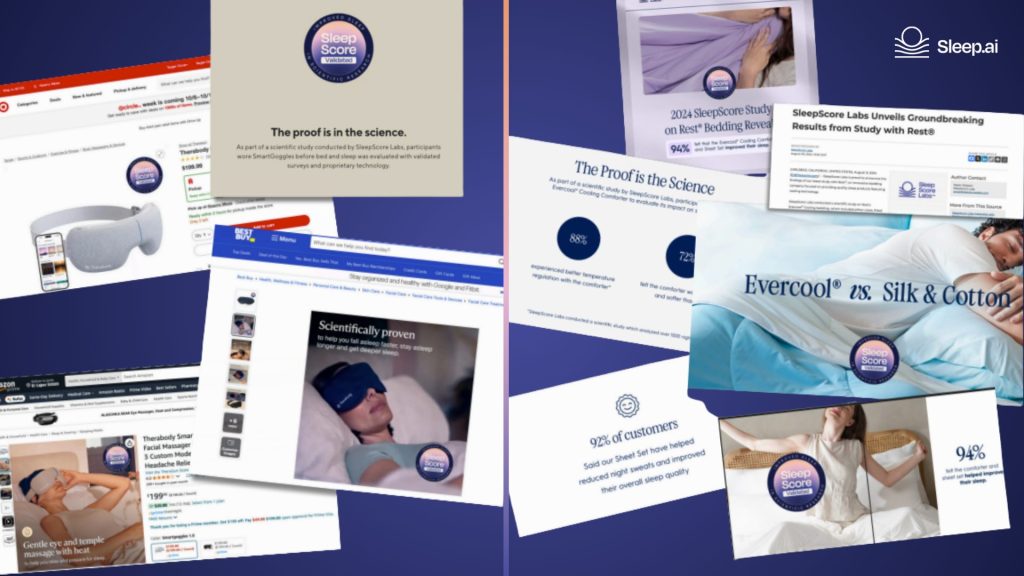
If independent, third-party validation can move preference and purchase intent in a controlled study, imagine what it could do in your real-world funnel.
Sleep Insights
Last Published on 27th February 2026 by kate. hughes
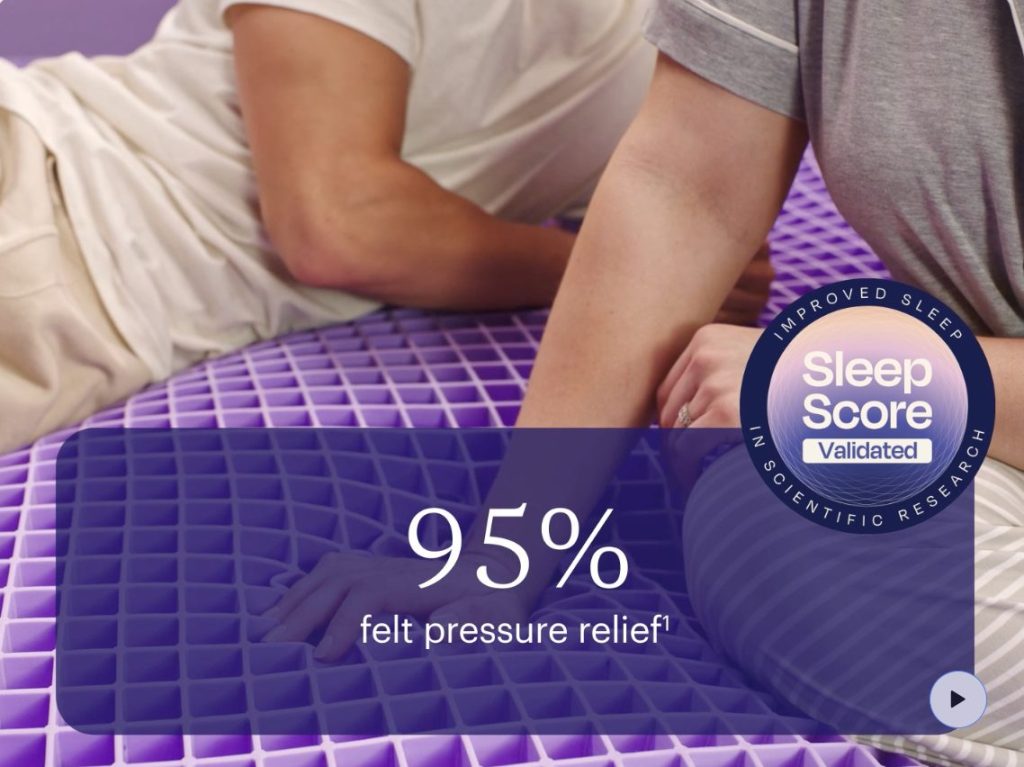
In collaboration with the AgeTech Collaborative™ from AARP, we ran a controlled consumer study to measure one simple question: Does scientific validation actually influence buying behavior?
The answer: Yes — significantly.
To isolate the impact of validation, we designed a controlled A/B consumer survey. Participants were randomly assigned to view:
Version B: Identical product message — without validation
No participant saw both versions, and everything was identical except for one variable: the presence of objective, third-party validation. We then measured trust & confidence, product preference, and purchase intent.
Adding objective, science-based validation meaningfully increased consumer confidence, even when everything else in the ad was identical.
Here’s what changed:
+16% increase in consumers who were Extremely Likely or Likely to purchase
+21% more consumers selected the validated product as their top choice
+11% more said they were ready to buy today
Validation didn’t just improve perception; it changed buying behavior.
When asked what stood out in the product message, 38% said the scientific validation seal was the #1 factor.
This beat brand name, visual design, materials, and personal sleep needs. This confirms our hypothesis that consumers are increasingly skeptical of marketing claims and trust measurable, objective data.
Open-ended responses reinforced the quantitative lift:
“If it was tested by a third party and provided results, I’d be more confident.”
“Real testimonials combined with science make me trust it more.”
“I need proof that it actually improves sleep — not just marketing copy.”
“Validation from a third party signals higher quality and effectiveness.”
If validation alone, with no changes to price, visuals, or messaging, can create:
Double-digit lift in purchase likelihood
Higher product preference
Immediate readiness to buy
Then validation is not just a scientific exercise; it’s a commercial growth lever. In competitive categories like sleep, wellness, and consumer health, third-party validation can:
Increase conversion rates
Improve ad efficiency
Strengthen retail positioning
Reduce reliance on promotional discounting
Elevate brand trust long-term
This survey was conducted in collaboration with the AgeTech Collaborative™ from AARP, reinforcing its relevance to health-conscious consumers, aging demographics, wellness-driven buyers, and science-oriented shoppers.